 CityBuddy
 English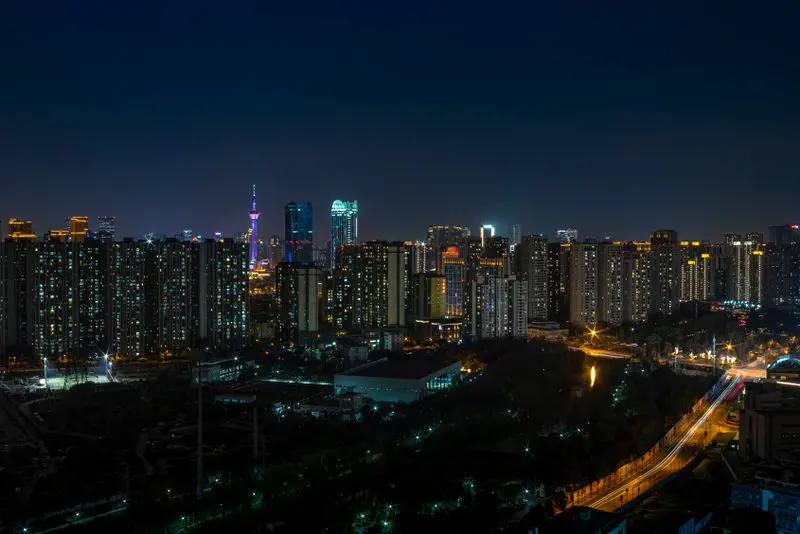
Things to Do in Chengdu, China
Photo made by AG ZN on Pexels.com
When to visit
Plan your perfect trip to Chengdu, China
Get a complete travel plan built just for you in under 30 seconds, with daily routes, local food tips, budget estimates and more.
Are any of these especially important to you?
Select all that apply
Plan language: EnglishChengdu is the #2 city for food lovers in the world, based on our data across hundreds of destinations.
Most popular attractions in Chengdu, China
When it comes to recommendations for tourist attractions in Chengdu, the most appealing is undoubtedly the Chengdu Research Base of Giant Panda Breeding, where over 80 giant pandas live. The morning feeding time is the liveliest. Afterwards, you can stroll through Kuanzhai Alley (Wide and Narrow Alley). This ancient street from the Qing Dynasty, made up of Wide Alley, Narrow Alley, and Well Alley, retains the courtyard lifestyle of old Chengdu. Wuhou Shrine commemorates Zhuge Liang, the famous prime minister of the Three Kingdoms period. Inside the shrine, ancient cypress trees touch the sky, giving a strong sense of history. These three attractions encompass Chengdu's most essential cultural and natural experiences.
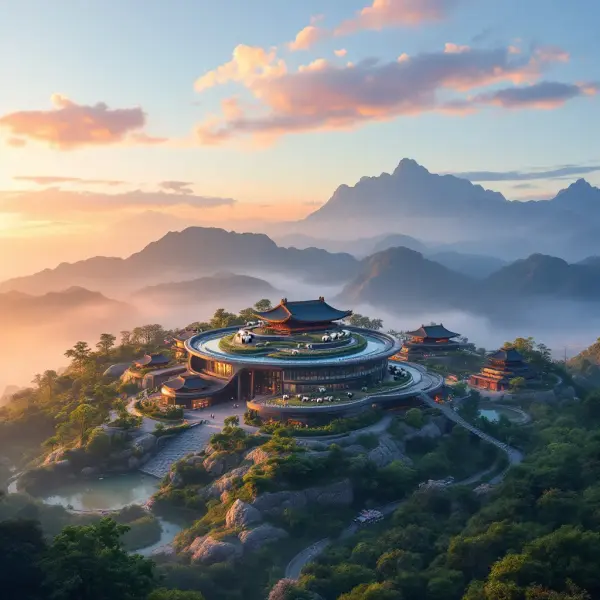
1. Chengdu Research Base of Giant Panda Breeding
The ultimate experience of observing national treasures up close. Watching round pandas munch on bamboo can heal a whole day's fatigue. Strolling along the bamboo-lined paths, from the adorable cubs to the leisurely eating adults, every moment is worth capturing.
Quick facts: Every day, over 100 giant pandas live here, from newborn pink cubs to full-grown adults. It is also the world's largest giant panda breeding research institution, having successfully bred more than 300 giant pandas to date.
Highlights: Early morning is the most magical time here. Panda cubs a few months old make yelping sounds like puppies in their nursery boxes, and the keepers hold a group feeding ceremony called "Panda Kindergarten." Watching a dozen furry baby pandas line up to drink milk is a happiness that simply melts your heart.
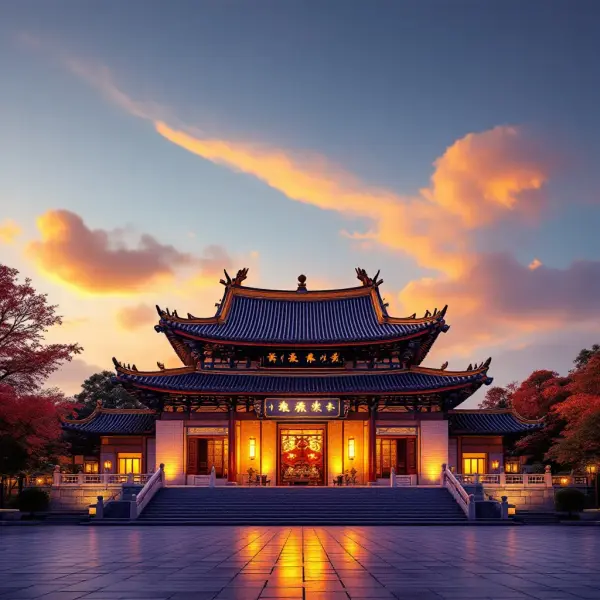
2. Wuhou Shrine
Step into the legendary world of the Three Kingdoms heroes and feel the spiritual power of Zhuge Liang's "utter devotion." Walk through the red walls and ancient cypress trees, and converse with a thousand years of history amid the swirling incense smoke.
Quick facts: Inside the temple complex covering 37,000 square meters, you will find the "Three Perfections Stele" with inscriptions written by Tang Dynasty Prime Minister Pei Du and calligraphy by the renowned calligrapher Liu Gongchuo. Over 2,000 ancient cypress trees surround the halls with red walls and gray tiles, among which one is said to have been planted personally by Zhuge Liang, with a tree age of over 1,700 years.
Highlights: On the eaves of the main hall are 47 ceramic figurines of characters from the Three Kingdoms period, each with a different expression and demeanor. On rainy days, the glaze takes on a bluish-green sheen. What is even more special is that the scent of sandalwood from the incense burner blends with the fresh fragrance of the ancient cypress trees, enveloping the entire courtyard in a tranquil feeling that transcends a thousand years.
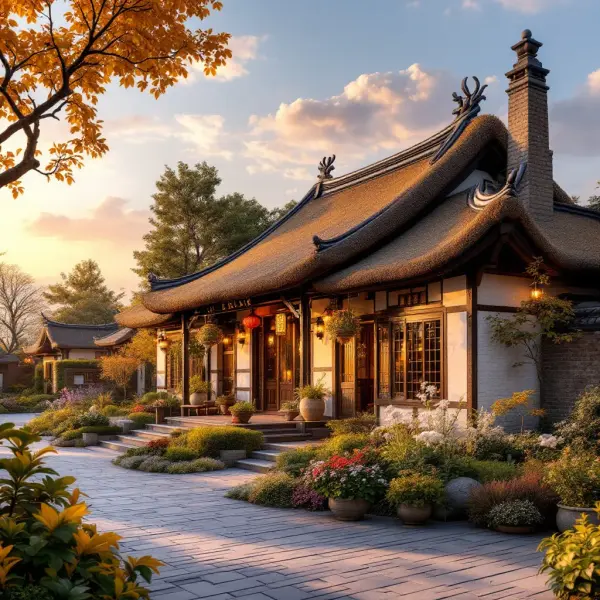
3. Du Fu Thatched Cottage
Walk into the original thatched cottage where the Poet Sage took refuge in Chengdu, and breathe in the scent of bamboo and earth. Sip a cup of covered-bowl tea in the bamboo-shaded courtyard, and listen to locals recite Du Fu's poems in the Sichuan dialect.
Quick facts: Over two million visitors come each year to this tranquil garden dedicated to the Poet Saint. Inside the garden, more than 800 couplets and over 150 stone tablets form the most concentrated collection of Du Fu-themed calligraphy steles in China.
Highlights: In the lotus pond in front of the thatched cottage live dozens of turtles collected from the old city districts of Chengdu. They have been living here for over twenty years, and the locals call them the "Poet Saint's Guardians." Every year on the third day of the third lunar month, the garden sets out the four treasures of the study, allowing visitors to copy Du Fu's poems in front of the thatched cottage, with paper and ink provided free of charge.

4. Mount Qingcheng
Want to feel the quiet power of Taoist culture in the lush mountain forest? Climb the stone steps upward. Ancient temples with morning bells, clear springs with birdsong. Every step of the way offers scenery that makes you forget the city's hustle and bustle.
Quick facts: Mount Qingcheng is divided into the front mountain and the back mountain. The front mountain is dotted with Taoist temples and thrives on incense offerings, while the back mountain is more secluded and pristine. It is one of the birthplaces of Chinese Taoism, with 36 Taoist temples remaining on the mountain, originally built during the Eastern Han Dynasty.
Highlights: In the morning mist in front of Laojun Pavilion, you can glimpse the white-robed figures of Taoist priests practicing tai chi, appearing and disappearing as if from a thousand years ago. Even more delightful is the sound of the stream in the Five Dragon Ravine on the back mountain, interwoven with bird calls. Along the way, you might even encounter wild macaques in the mountains, creating a scene that rivals any martial arts novel.
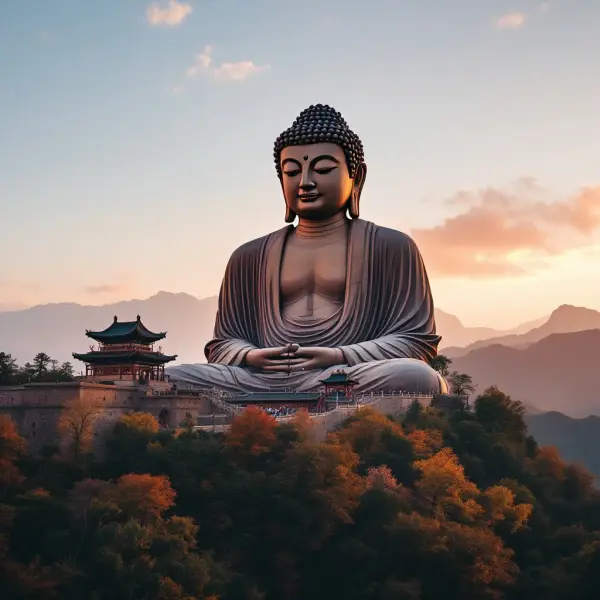
5. Leshan Giant Buddha
See the world's largest stone Buddha with your own eyes and marvel at the unparalleled craftsmanship of Tang Dynasty artisans. Walk down the nine-turn plank path from the Buddha's head to its feet, and listen to the thousand-year echo at the confluence of three rivers.
Quick facts: This 71-meter-high cliff-side statue sits at the confluence of three rivers, standing taller than a 20-story building. The top of its foot alone is as large as two basketball courts. The carving of the giant Buddha took 90 years, with three generations of artisans working in succession. A 13-story pavilion was once built over it to protect it from wind and rain.
Highlights: The Giant Buddha once underwent a 20-year restoration project, during which craftsmen discovered over a thousand original Tang Dynasty bricks on its head. Even more astonishing, hidden inside the Buddha's ears and hair is a concealed drainage system, ingeniously designed by Tang Dynasty artisans, allowing this colossal statue to remain seated majestically through over a thousand years of wind and rain.
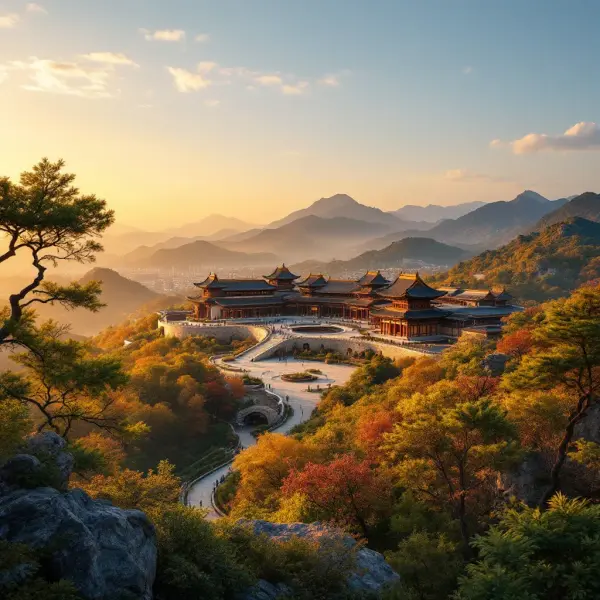
6. Sanxingdui Museum
Step into a mysterious ancient kingdom never recorded in history, and witness a bronze civilization beyond imagination from 3,000 years ago. A three-meter-tall bronze sacred tree, protruding cross-eyed masks. Every artifact reshapes your understanding of Chinese civilization.
Quick facts: Over a thousand bronze masks, sacred trees, and ivory artifacts were unearthed from two sacrificial pits in 1986, each one uniquely shaped and completely unlike Central Plains bronzeware. Archaeologists have yet to find any written records, and which ancient kingdom these relics belonged to and why they were buried remain unsolved mysteries.
Highlights: The bronze sacred tree stands 3.96 meters tall, divided into three tiers of branches, with nine divine birds perched on each tier and a auspicious beast standing at the very top. The entire tree reaches from the floor to the ceiling of the exhibition hall. The most bizarre are the protruding-eye masks, with eyeballs bulging outward as much as 16 centimeters, looking just like alien figures, making every visitor standing before them gasp involuntarily.
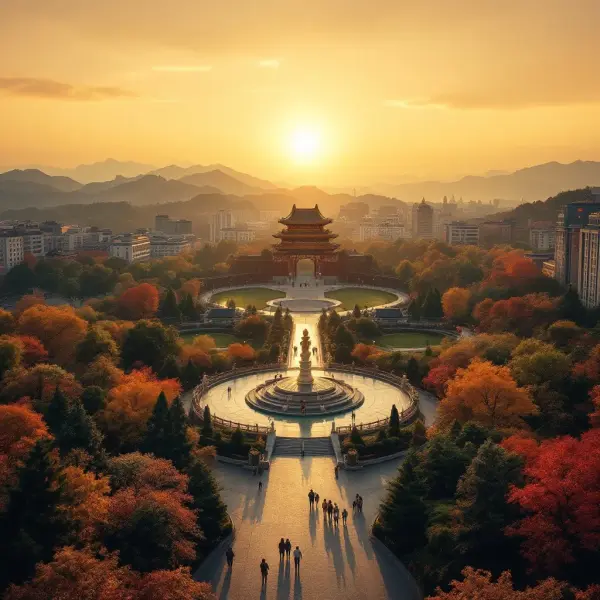
7. People's Park
Want to instantly slip into the slow life of old Chengdu? Come here to drink tea, get your ears cleaned, and watch passersby daydream. Half a day passes in the blink of an eye.
Quick facts: A central urban oasis covering over 70 mu, this park attracts tens of thousands of residents every day for tea, dancing, and mahjong. The century-old ginkgo grove in the park turns a brilliant gold every autumn, making it the most down-to-earth leisure spot in the hearts of Chengdu locals.
Highlights: The Heming Teahouse deep inside the park has been in operation since 1923. Bamboo chairs, copper kettles, and lidded bowls of tea cost just over ten yuan, and you can sit all day without anyone asking you to leave. Every Sunday morning, an English corner and a matchmaking corner take place simultaneously. White-haired elderly men chatting fluently in English with foreign students is a scene you can probably only see here in all of China.
Where to Stay in Chengdu, China
Selected by City Buddy based on guest reviews and proximity to top attractions
Search all hotels in Chengdu, ChinaPowered by agoda
Traditional Sweet Dishes
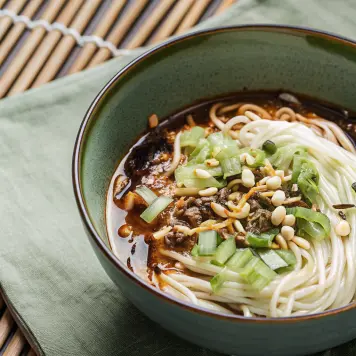
Dandan Mian (Dan Dan Noodles)
Despite being a noodle dish, Dandan Mian is often served as a sweet and savory street food. Its name comes from the bamboo pole (dan dan) that street vendors used to carry the noodles and sauce on their shoulders.
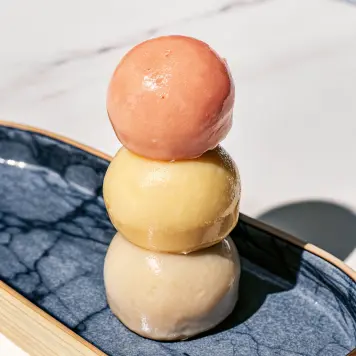
Three Balls (San Da Pao)
San Da Pao, or Three Big Bangs, is a Chengdu dessert made from glutinous rice that makes three loud sounds when prepared. The pounding and shaking of the rice cakes create a theatrical performance as the vendor calls out each bang.
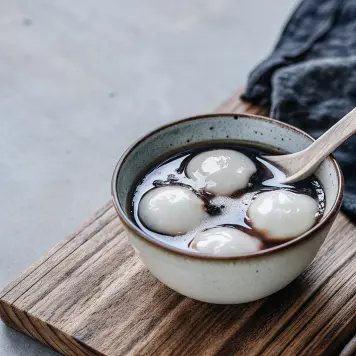
Sweet Rice Balls (Tangyuan)
Tangyuan are glutinous rice balls filled with black sesame paste or sweet bean paste, often served in a warm ginger syrup. In Chengdu, these are especially popular during the Lantern Festival as their round shape symbolizes family togetherness.
Traditional Savory Dishes
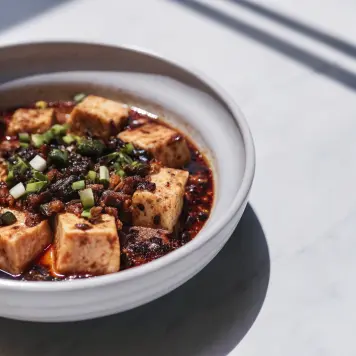
Mapo Tofu
This iconic Chengdu dish features soft tofu in a fiery sauce of doubanjiang (fermented bean paste) and Sichuan peppercorns. It is named after an elderly pockmarked woman (ma po) who supposedly invented the recipe in a small Chengdu eatery.
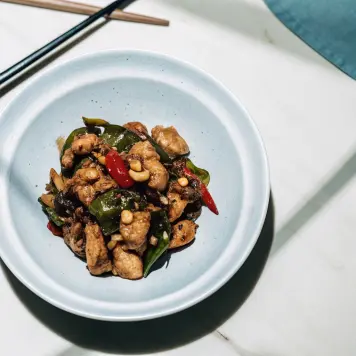
Kung Pao Chicken (Gong Bao Ji Ding)
This dish originated in Chengdu and is named after Ding Baozhen, a Qing Dynasty governor whose title was "Gong Bao" (Palace Guardian). The original recipe uses only chicken, peanuts, and chili peppers without the vegetables often added in Western adaptations.
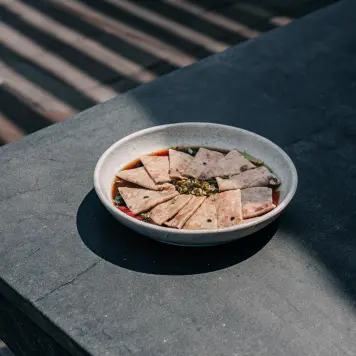
Fuqi Feipian (Husband and Wife Lung Slices)
Despite its literal name meaning "husband and wife lung slices," this dish actually contains no lung tissue but rather thinly sliced beef and offal. It was created by a married couple who sold the spicy, numbing cold beef dish from a pushcart in Chengdu.
Traditional Beverages
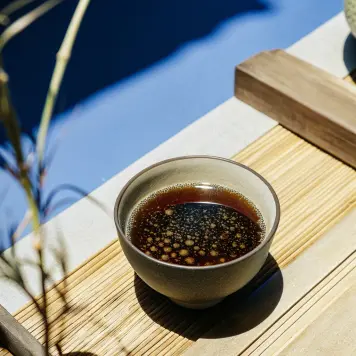
Sichuan Buckwheat Tea (Ku Qiao Cha)
Ku Qiao Cha is a nutty, slightly bitter tea made from roasted tartary buckwheat grown in the highlands of Sichuan. It is caffeine free and believed to help with digestion, especially after eating Chengdu's famously spicy food.

Suan Mei Tang (Sour Plum Drink)
This tangy, sweet beverage is made from smoked plums, rock sugar, and licorice root, and is a cherished Chengdu summer drink. It is said to have been invented during the Song Dynasty to cool down emperors in the heat.
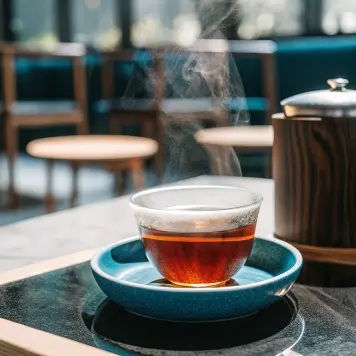
Gaiwan Tea (Covered Bowl Tea)
The gaiwan, a lidded bowl used for brewing and drinking tea, is inseparable from Chengdu's teahouse culture where locals spend hours sipping, socializing, and playing mahjong. Chengdu has the most teahouses of any city in China, with thousands dotting its streets and parks.
Frequently Asked Questions about Chengdu, China
Is Chengdu safe for tourism?
How many days are recommended for visiting Chengdu?
What is the best time to visit Chengdu?
Is Chengdu expensive for tourism?
How to get around in downtown Chengdu?
Get a PDF with the most popular attractions sent to your email
Get a PDF with all attractions, ratings, and tips. Perfect for offline use.
Most popular day trips
Leshan Giant Buddha
Home to the world's largest stone Buddha statue carved into a cliff face.
Mount Qingcheng
Ancient Taoist mountain with lush greenery and serene temples.
Dujiangyan Irrigation System
Ancient irrigation system still in use, a UNESCO World Heritage site.
Panda Base (Bifengxia)
Giant panda breeding and research center in a lush valley setting.
Mount Emei
Sacred Buddhist mountain with stunning sunrise views and monasteries.
Getting there
Airports
Train stations
High-speed rail to Xi'an, Chongqing, Guangzhou, Shanghai, Beijing
High-speed rail to Leshan, Mount Emei, Kunming
High-speed rail to Dujiangyan, Qingchengshan
From Shuangliu Airport (CTU), take Metro Line 10 to city center in 30 minutes. Tianfu Airport (TFU) is farther; use the Airport Express Bus or Metro Line 18.
Find flights to Chengdu, China
Click to get eSim for Chengdu, China
The easiest and most affordable way to get mobile internet wherever you travel.
Useful information for Chengdu, China
Overview for Chengdu, China
Most popular itineraries for Chengdu, China
Browse trip plans created by other travelers
Comments (9)
GENERAL: Chengdu exceeded my expectations. The food scene is insane and the city has a super relaxed vibe. Stayed 4 days which felt about right.
GENERAL: Kind of underwhelmed. Jinli street was too crowded and felt like a theme park. The food was good but not life changing.
GENERAL: Best city in China for pure chill vibes. The food is spicy but manageable. Wish I had stayed longer than 3 days.
GENERAL: Never had better dumplings in my life. The city is massive but really walkable in the center. Felt safe even late at night.
ACTIONABLE TIP: Download the metro app before you go. You can scan QR codes instead of buying tickets and it saves so much time.